Research Areas
Industrial IoT
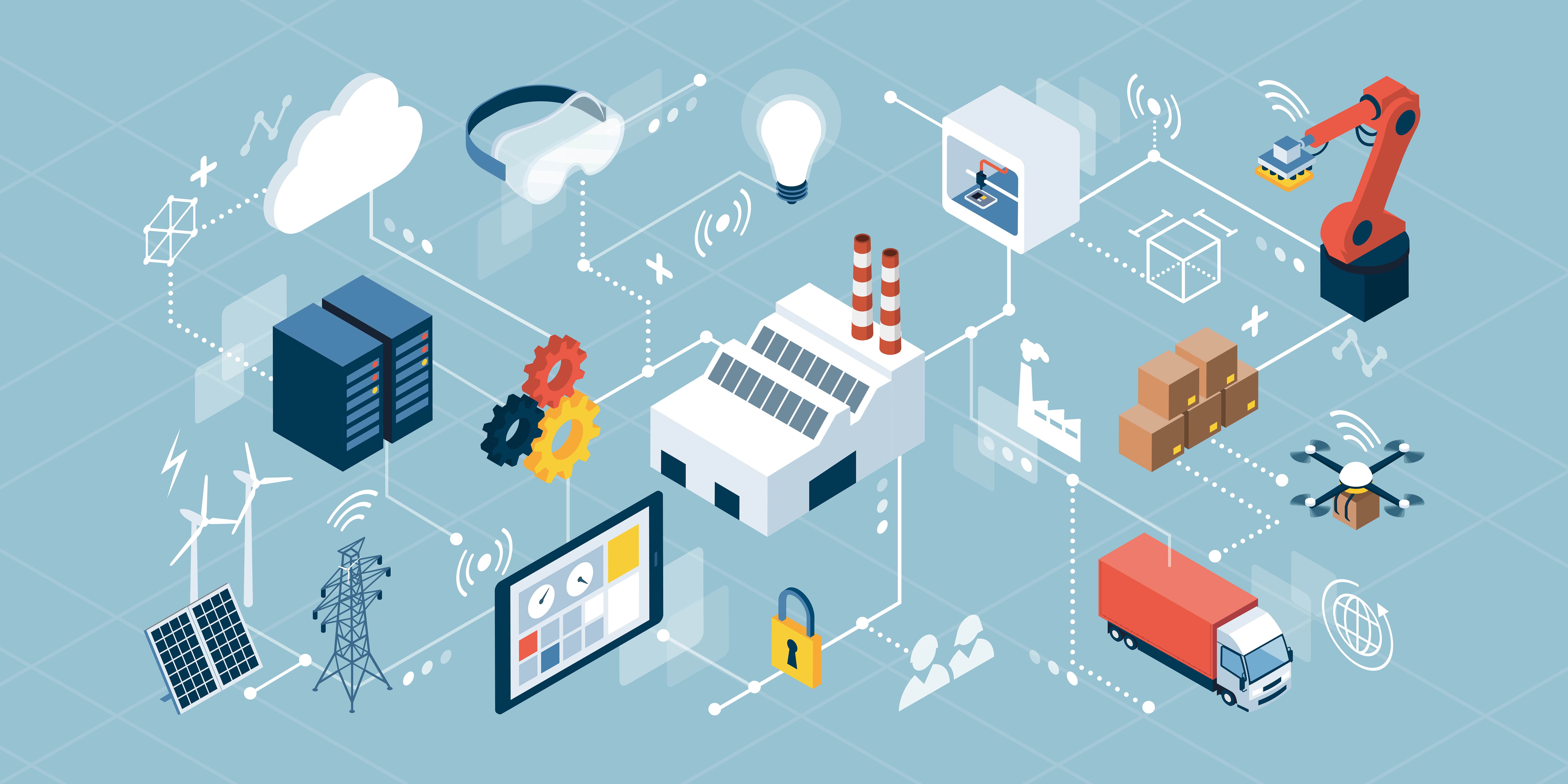
Our Industrial IoT research addresses communication, control, and trust in factory and mission-critical environments where OT meets IT. We design wireless stacks, resource allocation, and cyber-physical mechanisms that improve determinism, throughput, and safety under harsh interference and mobility, bridging shop-floor sensing/actuation with edge and cloud analytics. Representative themes include:
Industrial Wireless & Field Networks
Industrial WSNs, MAC and scheduling, channel access, and protocol design for reliable machine-to-machine traffic on the plant floor.
View paper synthesisDeterministic & Low-Latency Communication
Latency-aware and channel-aware design—taming delay tails, supporting real-time loops, and coexistence with legacy industrial systems.
Digital Twin & Industrial CPS
Digital-twin-enabled monitoring, channel access, and power control; coupling virtual models with physical processes for smarter manufacturing.
Industrial Security & Resilience
Intrusion detection, adversarial robustness, attack indication, and privacy-preserving mechanisms tailored to industrial traffic and device constraints.
Localization & Asset Awareness
Indoor and field localization, Sybil and anomaly-oriented detection, and situational awareness for mobile assets and dense deployments.
Intelligent Edge & Automation
Agent-style intelligence at the edge—automation, adaptive policies, and coordination between controllers, AGVs, and heterogeneous industrial endpoints.
Recent Work
- Digital-twin-enabled frameworks and channel/power control for Industrial IoT
- Channel-aware latency and tail-taming techniques for industrial wireless
- Security, intrusion detection, and adversarial robustness in industrial IoT environments
- Industrial WSN protocols, localization, and Sybil-oriented detection
Ambient IoT

Our research on Ambient IoT targets networks of ultra-low-power, often battery-free devices that blend into the environment and operate at massive scale. We study how to enable reliable sensing and connectivity with minimal energy and spectrum use. A growing thread of our work is metamaterial passive IoT—using engineered electromagnetic surfaces and structures to passively modulate, steer, or sense RF without active radios, with emphasis on:
Ultra-Low Power & Harvesting
Energy harvesting, wake-up radios, and duty-cycled operation for long-lived or passive nodes.
Backscatter & Ambient RF
Backscatter communication, ambient backscatter, and RF-based sensing for tag-scale and sticker-scale devices.
Metamaterial Passive IoT
Metasurfaces and metamaterial-inspired passive front-ends for beam shaping, coding, and channel customization; integration with backscatter and ambient links for sticker- and surface-scale IoT.
Massive Deployment
Scalable access, coexistence with legacy systems, and coordination for dense ambient IoT deployments.
Recent Work
- Protocols and resource allocation for ultra-low-power ambient IoT links
- Backscatter and passive sensing techniques for large-scale monitoring
- Metamaterial passive IoT: passive RF surfaces and structures for enhanced backscatter, sensing, and coexistence
- Integration of ambient IoT with next-generation wireless and intelligent systems
Wireless Networking
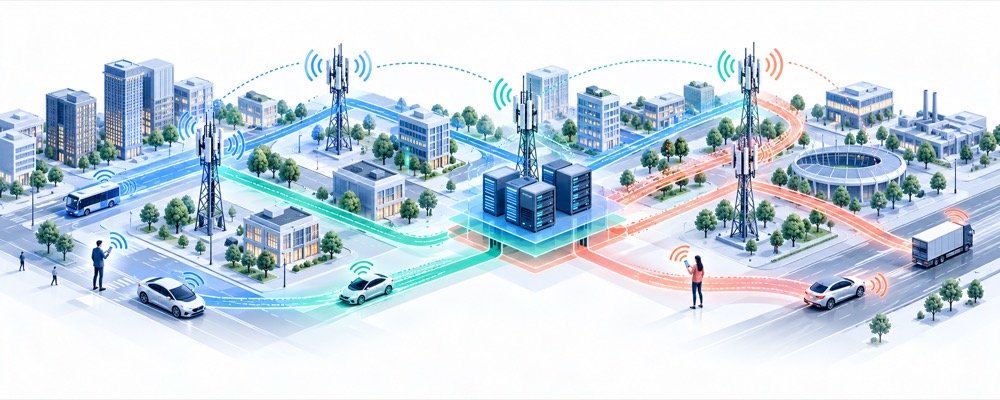
Our research in wireless networking focuses on developing advanced technologies and protocols for next-generation networks. We investigate innovative solutions for improving wireless communication efficiency, reliability, and performance, with emphasis on:
Wireless Protocols
Development of advanced wireless communication protocols and standards.
Network Optimization
Research on wireless network optimization and performance enhancement.
Next-Gen Technologies
Investigation of emerging wireless technologies and their applications.
Recent Work
- Research on advanced wireless networking protocols
- Development of optimization techniques for wireless networks
- Investigation of next-generation wireless technologies
Space-Air-Ground Integrated Networks
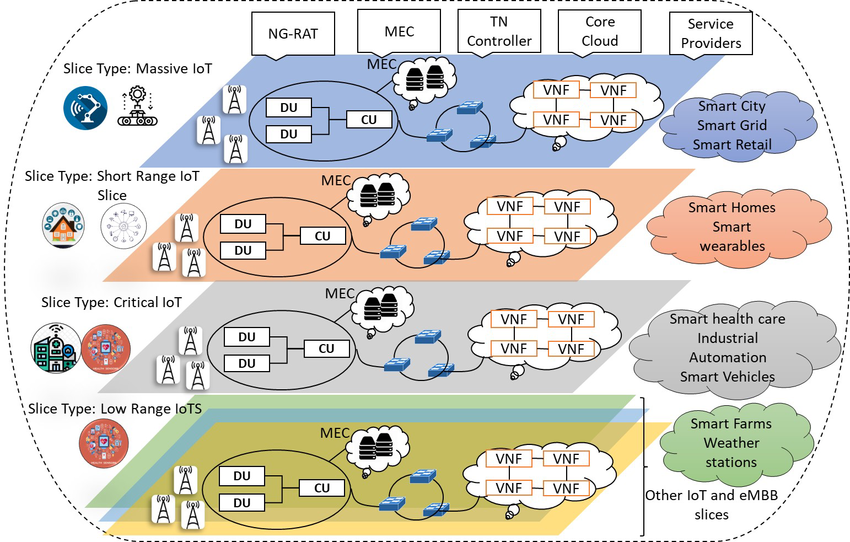
Our research on space-air-ground integrated networks focuses on seamless connectivity across satellite, aerial, and terrestrial infrastructures. This direction studies how heterogeneous network segments can cooperate to provide resilient coverage, low-latency service continuity, and intelligent resource orchestration for future 6G, IoT, and vehicular applications.
Satellite-Terrestrial Integration
Hybrid satellite and terrestrial access for wide-area coverage, emergency connectivity, and service continuity in remote or high-mobility scenarios.
View paper synthesisUAV-Assisted Networking
Aerial relays, UAV base stations, and adaptive air-ground links for flexible deployment, traffic offloading, and temporary network augmentation.
Cross-Domain Routing & Mobility
Mobility-aware routing, handover, and session continuity across space, aerial, and ground segments with heterogeneous link dynamics.
Intelligent Resource Orchestration
AI-assisted spectrum, computing, caching, and power allocation for multi-layer networks with diverse service requirements.
Research Directions
- Integrated satellite-UAV-terrestrial networking architectures for ubiquitous connectivity
- Resource allocation and service orchestration across heterogeneous network layers
- Mobility management, handover, and low-latency routing for non-terrestrial networks
- Space-air-ground support for IoT, IoV, emergency communications, and intelligent transportation
Intelligent Agents Communication and Networking
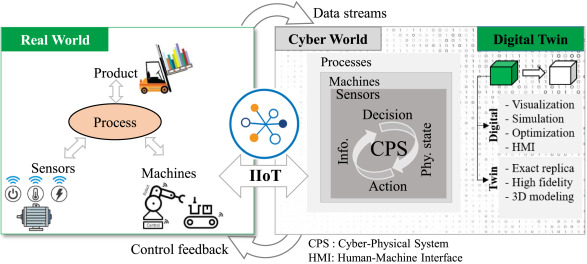
Our research in intelligent agents communication and networking focuses on developing advanced frameworks and protocols for agent-based systems. We work on improving communication efficiency and intelligence in distributed agent networks, with particular attention to:
Agent Intelligence
Development of intelligent communication strategies for autonomous agents.
Agent Networks
Research on multi-agent system architectures and protocols.
System Integration
Implementation of agent-based systems in real-world applications.
Recent Work
- Development of intelligent agent communication protocols
- Research on multi-agent system optimization
- Investigation of agent-based networking solutions